
SKIN CONCERN
Acne & Scarring
From active breakouts to the marks they leave behind, we offer comprehensive solutions for acne, acne scarring, and post-inflammatory redness.
Book a Consultation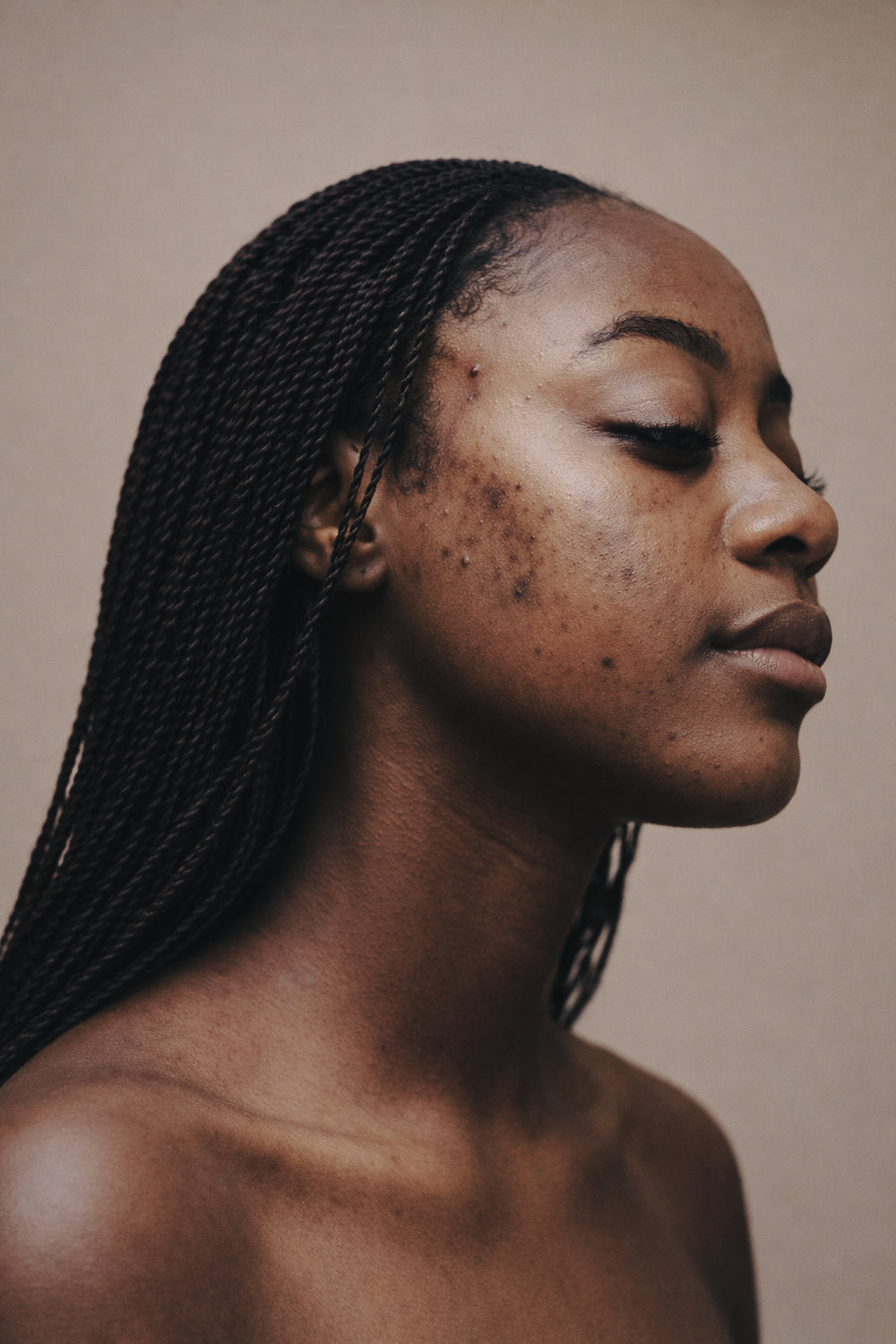
ACNE
What is Acne?
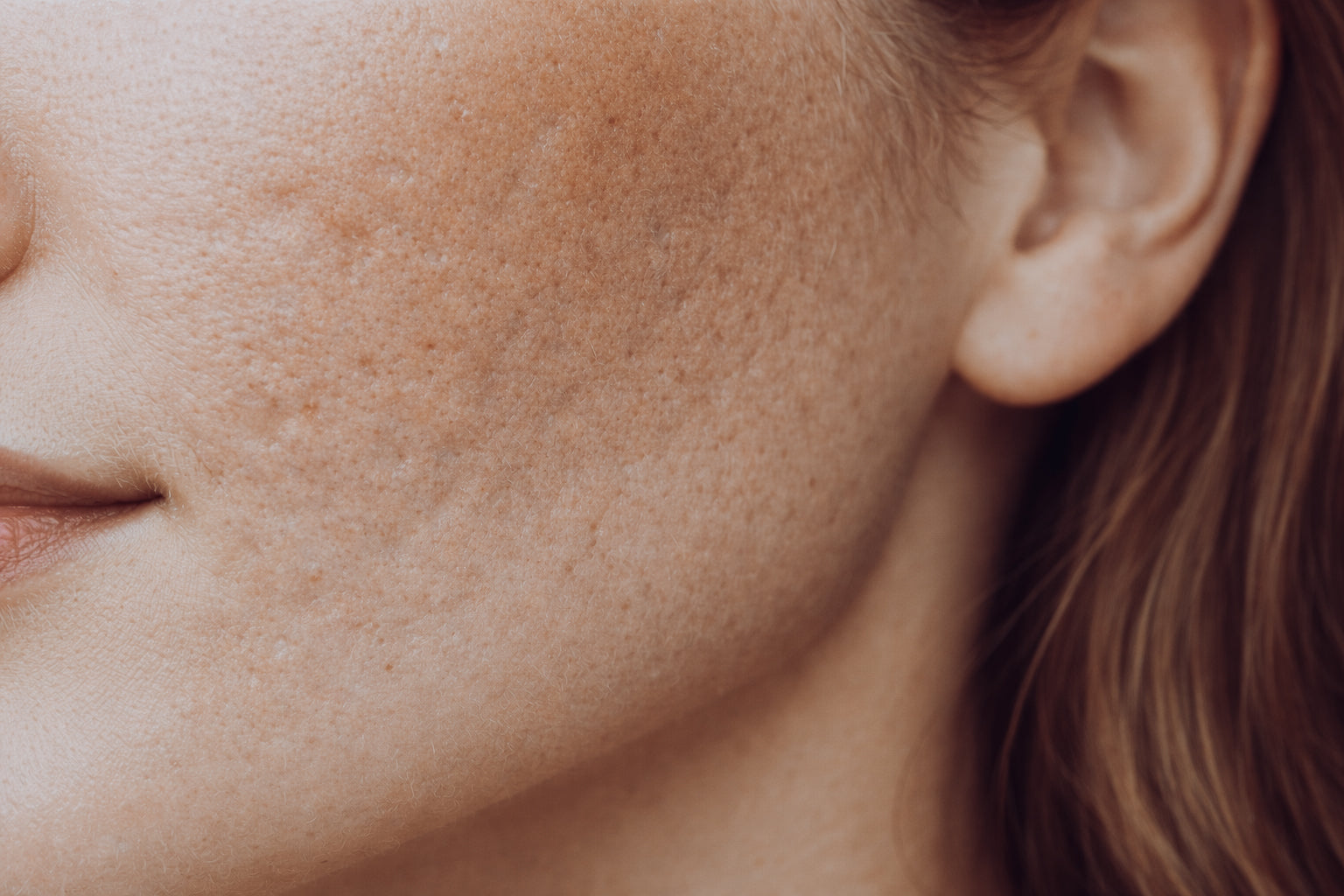
Acne is a common skin condition that affects most people at some point. It occurs when oil, dead skin, and bacteria accumulate in pores, causing inflammation. It can present as blackheads, whiteheads, papules, pustules, or cysts.
Triggers include hormones, genetics, stress, diet, and skincare habits. We evaluate these factors to create a tailored treatment plan including lifestyle and diet review.
- Personalised assessment of lifestyle, hormones, and skincare
- Targeted prescription and medical-grade skincare to reduce inflammation and clear pores
- Laser therapy to target bacteria and reduce oil production
- Microneedling with Exosomes to calm inflammation and accelerate healing
ATROPHIC ACNE SCARRING
What is Atrophic Acne Scarring?
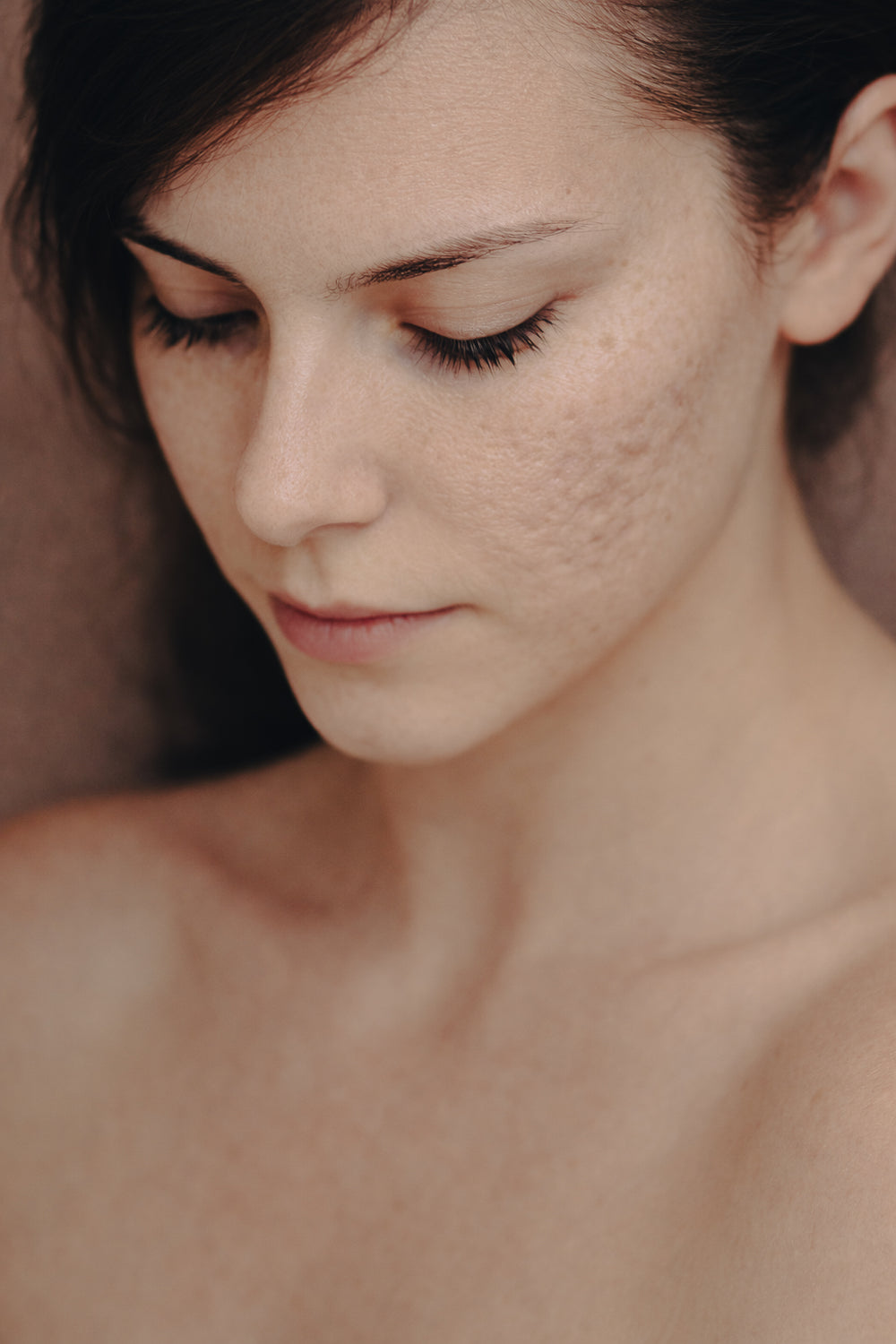
Atrophic acne scars are the dents or depressions left behind once active acne has healed. They form when inflammation disrupts the skin's ability to produce enough collagen, resulting in a loss of volume and an uneven texture. Atrophic acne scars are classified into three main subtypes: ice pick scars, boxcar scars, and rolling scars.
These scars may be shallow or deep and often create a pitted appearance. At the Dr Nabil Jetha Clinic, we take a comprehensive approach to restore smoothness and rebuild damaged skin.
- Manage active acne first with prescription and medical-grade skincare for a clear canvas
- Ongoing medical-grade skincare to stimulate collagen and soften scar edges
- Microneedling with Exosomes, RF Microneedling or biostimulators for collagen production and scar tissue remodelling
- Subcision, in certain scar types, to release tethered scar tissue and improve acne scar appearance
- Laser treatments to break down scar tissue and stimulate new collagen
POST-INFLAMMATORY ERYTHEMA
What is Post-Inflammatory Erythema?
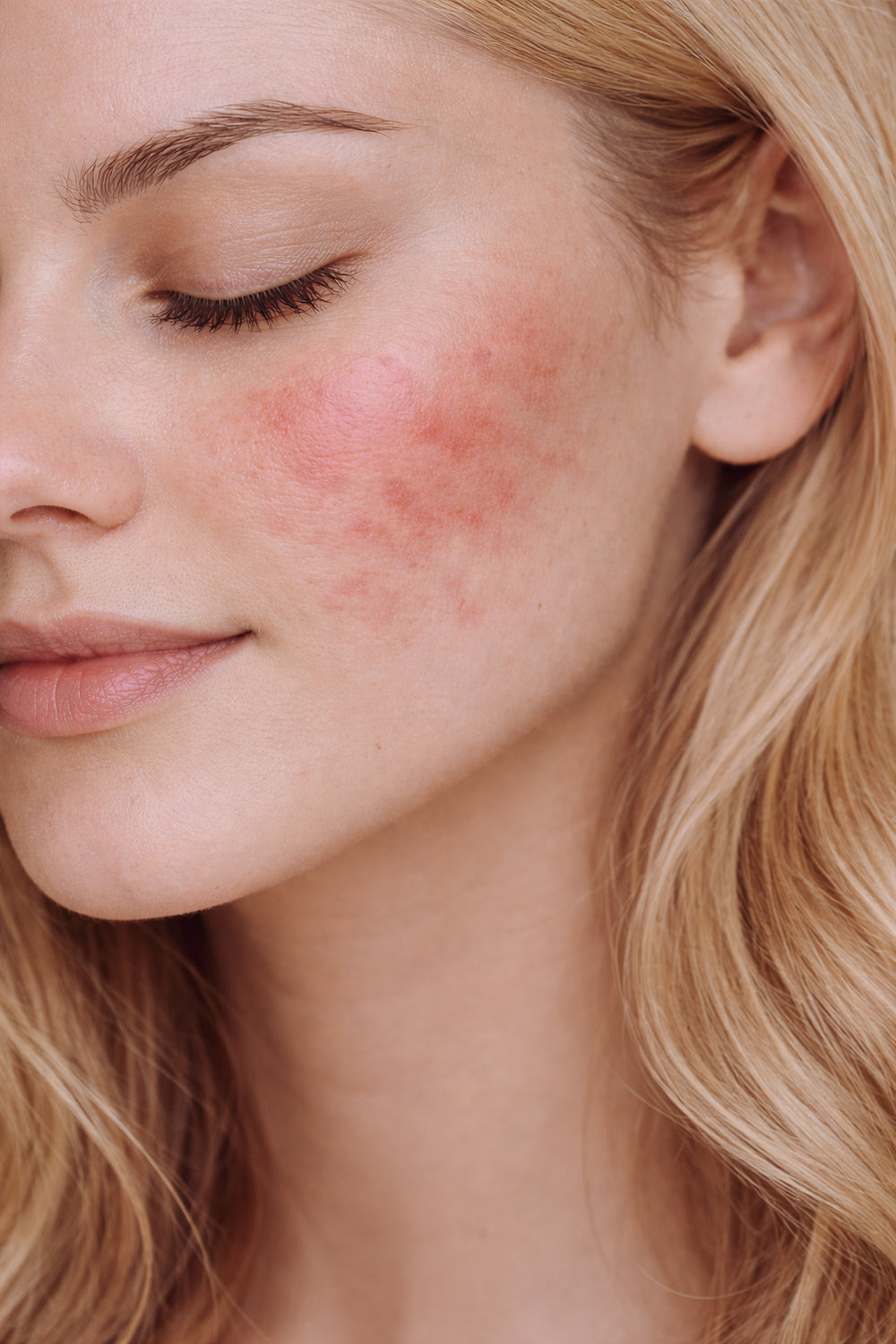
PIE appears as red or pink marks after acne or inflammation. Unlike hyperpigmentation, PIE is related to dilated capillaries and residual vascular inflammation, not melanin.
It is common in lighter skin types and may persist for months without treatment. Our approach focuses on stopping new inflammation, supporting healing, and reducing existing redness.
- Treat active acne first to prevent new red marks
- Targeted prescription skincare to calm inflammation
- Microneedling with Exosomes for healing and skin repair
- Polynucleotides to boost repair and strengthen vascular integrity
- IPL for diffusing redness and visible capillaries
Frequently Asked Questions
Find answers to common questions about acne and scarring treatments.
Results vary depending on the severity of your acne and the treatments used. Many patients see improvement within 4-6 weeks of starting a tailored skincare regimen, with more significant results after 3-6 months of consistent treatment.
While complete removal is not always possible, significant improvement can be achieved. Treatments like Morpheus8, microneedling, and laser therapy can reduce the appearance of scars by 50-80% depending on scar type and depth.
PIE (Post-Inflammatory Erythema) appears as red or pink marks caused by dilated blood vessels, while hyperpigmentation shows as brown marks caused by excess melanin. They require different treatment approaches.
This depends on your specific concerns and chosen treatments. During your consultation, we will create a personalised treatment plan with a realistic timeline based on your goals and skin condition.